
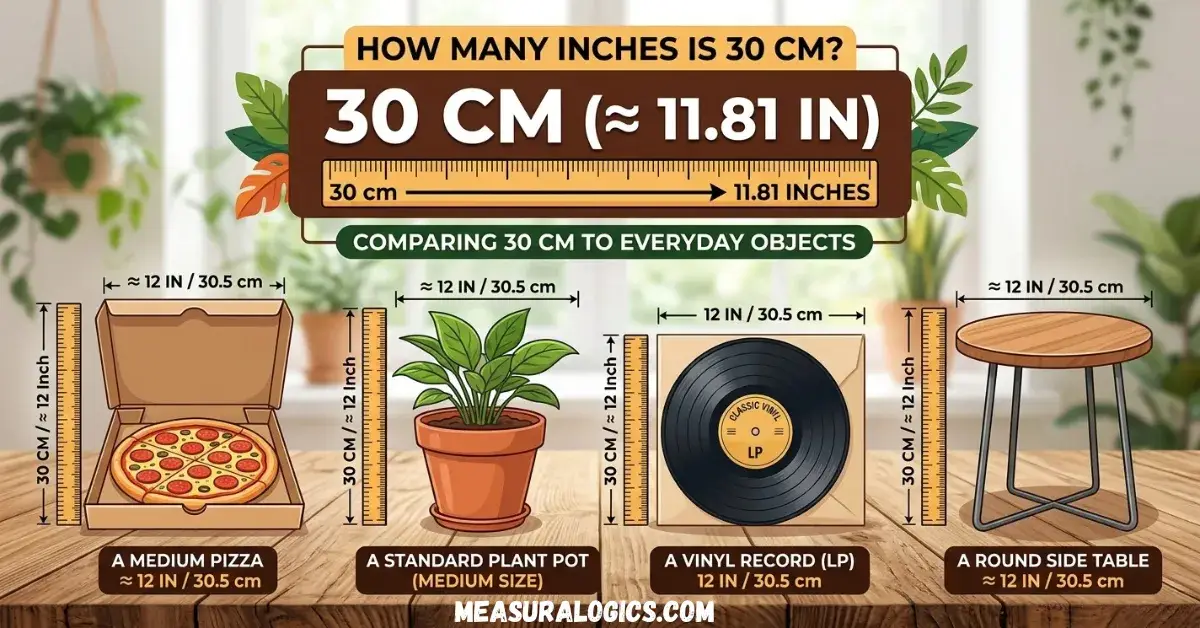
Have you ever wondered how big 30 cm really is? This measurement appears in many everyday situations. You may see it on rulers, furniture, tiles, pots, boxes, and other products. Knowing its inch value makes these measurements much easier to understand.
So, 30 cm in inches equals approximately 11.81 inches. This means 30 cm is slightly shorter than 12 inches. It is also very close to one foot. One foot equals 12 inches, or 30.48 centimeters.
The conversion from 30 cm to inches is simple. You divide 30 by 2.54. This gives approximately 11.81 inches. You can round this result to 11.8 inches for everyday use.
Many people find metric measurements difficult to picture. Numbers alone do not always show the real size. Everyday objects can provide a much better reference. A 30 cm ruler, for example, gives you an easy visual guide.
A 12-inch pizza also comes close to this measurement. A standard 12-inch pizza has a diameter of about 30.48 cm. This makes it slightly larger than 30 cm.
In this guide, you will learn everything about 30 cm. We will cover inches, feet, meters, millimeters, and everyday comparisons. You will also learn what a 30cm diameter means.
By the end, you will easily understand how long is 30 cm. You will also know how to compare this measurement with familiar objects.
What Is 30 cm?
30 cm means thirty centimeters. The centimeter is a metric unit used for measuring length. It works well for measuring small and medium-sized objects. People commonly use centimeters for clothing, furniture, crafts, boxes, and household items.
The centimeter belongs to the metric measurement system. One centimeter contains 10 millimeters. Therefore, 30 cm equals 300 millimeters. This makes the relationship between centimeters and millimeters easy to remember.
There are also 100 centimeters in one meter. Because of this, 30 cm equals 0.3 meters. It represents three-tenths of one meter.
If you have a standard 30 cm ruler, you already have a useful reference. Many school rulers measure exactly 30 cm. Holding one in your hand makes the measurement easier to picture.
In the imperial system, 30 cm equals about 11.81 inches. This value sits very close to 12 inches. Since 12 inches make one foot, 30 cm is also nearly one foot long.
The difference between 30 cm and 12 inches is quite small. Twelve inches equals 30.48 cm. Therefore, 30 cm is only 0.48 cm shorter.
This small difference matters when you need an exact measurement. For casual comparisons, however, you can think of 30 cm as nearly 12 inches.
The measurement can describe length, width, height, or diameter. Its meaning depends on the object being measured. For example, a 30 cm ruler has a length of 30 cm. A round table can have a diameter of 30 cm.
Understanding this basic idea helps you use the measurement correctly. It also makes later conversions much easier.
30 cm Formula/Conversion
The easiest way to convert 30 cm to inches uses one simple formula. One inch equals exactly 2.54 centimeters. Therefore, you divide the centimeter measurement by 2.54.
The formula looks like this:
Inches = Centimeters ÷ 2.54
Now place 30 into the formula:
30 ÷ 2.54 = 11.811…
Therefore, 30 cm = 11.81 inches.
You can round the result to 11.8 inches. This rounded value works well for most everyday measurements. However, keep 11.81 inches when greater accuracy matters.
You can also convert 30 cm into feet. One foot equals 30.48 centimeters. Therefore, divide 30 by 30.48.
30 ÷ 30.48 = 0.984 feet
So, 30 cm in feet equals about 0.984 feet. This measurement is very close to one foot.
Converting 30 cm into meters is even easier. One meter contains 100 centimeters. Therefore, divide 30 by 100.
30 ÷ 100 = 0.3 meters
So, 30 cm in meters equals 0.3 meters.
You can also convert it into millimeters. One centimeter equals 10 millimeters. Multiply 30 by 10.
30 × 10 = 300 millimeters
Therefore, 30 cm equals 300 mm.
For comparison, 6mm is much smaller than 30 cm. Since 30 cm equals 300 mm, it is 50 times longer than 6mm.
These formulas make unit conversion simple. You do not need complicated calculations. You only need to remember the correct conversion factor.
For quick estimates, remember that 30 cm is almost 12 inches. For exact work, use 11.81 inches.
Comparison Table
| Measurement | Equivalent |
|---|---|
| 30 cm | 11.81 inches |
| 30 cm | 0.984 feet |
| 30 cm | 0.3 meters |
| 30 cm | 300 millimeters |
| 30 cm | 0.328 yards |
| 30 cm | 11 13/16 inches |
This table gives you a quick reference for 30 cm. The most important value is 11.81 inches. This conversion helps when you need to compare metric and imperial measurements.
The feet conversion can look unusual at first. A measurement of 0.984 feet is almost one complete foot. This happens because one foot equals 30.48 cm. The difference between 30 cm and one foot is only 0.48 cm.
The meter conversion is easier to understand. Since one meter contains 100 cm, 30 cm represents 30 percent of one meter. In decimal form, that equals 0.3 meters.
The millimeter conversion also provides a useful reference. Thirty centimeters contains 300 millimeters. This can help when comparing small measurements. For example, 6mm is only one-fiftieth of 30 cm.
The yard conversion gives another useful comparison. One yard equals 91.44 cm. Therefore, 30 cm equals about 0.328 yards. This means 30 cm is roughly one-third of a yard.
When working with measurements, rounding depends on your purpose. A rounded value works well for visual comparisons. Exact values work better for construction, manufacturing, crafting, and technical work.
The table can also help you switch between measurement systems quickly. If someone gives you a 30 cm measurement, you can immediately understand its approximate size.
The easiest value to remember is 30 cm = 11.81 inches. For quick thinking, you can round this to 12 inches.
Remember that rounding changes the exact value slightly. Therefore, never use 12 inches when a precise 30 cm measurement matters.
30 cm in Inches and Feet: Quick Math Reference
The most useful conversion for 30 cm is its inch value. 30 cm equals approximately 11.81 inches. This number comes from dividing 30 by 2.54.
For a quick mental estimate, you can call 30 cm about 12 inches. This works because 12 inches equal 30.48 cm. The difference is less than half a centimeter.
The feet conversion gives another useful comparison. 30 cm equals about 0.984 feet. This means the measurement sits just below one foot.
If you need a simple visual reference, think about a standard ruler. Many common rulers measure 30 cm long. That ruler is almost the same length as one foot.
You can also compare 30 cm with a 12-inch pizza. A 12-inch pizza measures 30.48 cm across. Therefore, its diameter is almost identical to 30 cm.
For smaller measurements, the millimeter value can help. Thirty centimeters equals 300 millimeters. This makes 30 cm much larger than measurements such as 6mm.
The meter value is also easy to remember. Thirty centimeters equals 0.3 meters. This means three 30 cm sections would make 90 cm. A little more would complete one meter.
When comparing units, avoid mixing up inches and centimeters. One inch is much longer than one centimeter. One inch equals 2.54 centimeters.
This conversion factor explains why 30 cm does not equal 30 inches. The numerical values change when the measurement unit changes.
For everyday use, remember three values. Thirty centimeters equals 11.81 inches, 0.984 feet, and 0.3 meters. These values cover the most common conversions people need.
12 Everyday Things That Are Right Around 30 cm
Everyday objects can help you understand how big is 30 cm. A measurement becomes easier to picture when you compare it with something familiar.
A 30 cm ruler is the simplest example. Many school rulers measure exactly 30 cm. You can place the ruler beside another object to compare their lengths.
A 12-inch pizza provides another useful reference. Its diameter is about 30.48 cm. This makes it only slightly larger than 30 cm.
A vinyl record also provides a close comparison. Standard LP records usually measure about 12 inches across. That equals approximately 30.48 cm.
Some medium plant pots can measure close to 30 cm across. Their exact dimensions depend on the design and manufacturer. Still, they can provide a useful visual reference.
Some floor tiles measure 30 cm by 30 cm. These tiles make the measurement especially easy to understand. One side of the square equals exactly 30 cm.
Some compact side tables have tabletops close to 30 cm wide. However, table sizes vary greatly. Always check the listed dimensions before buying one.
Some faucet spouts can have a reach close to 30 cm. This measurement describes how far the spout extends over the sink.
PVC pipe sections can also be cut to 30 cm. This length is common for some DIY projects. However, pipe lengths depend on the project.
A few decorative candle holders can approach 30 cm in width. Their dimensions vary by design.
Some racket handles can also approach this measurement. The full racket is much longer, so only the handle area applies.
These comparisons show why 30 cm is easy to visualize. You do not need to memorize the number alone.
Instead, connect it with familiar objects. Think of a ruler, pizza, floor tile, or vinyl record.
A Medium Pizza
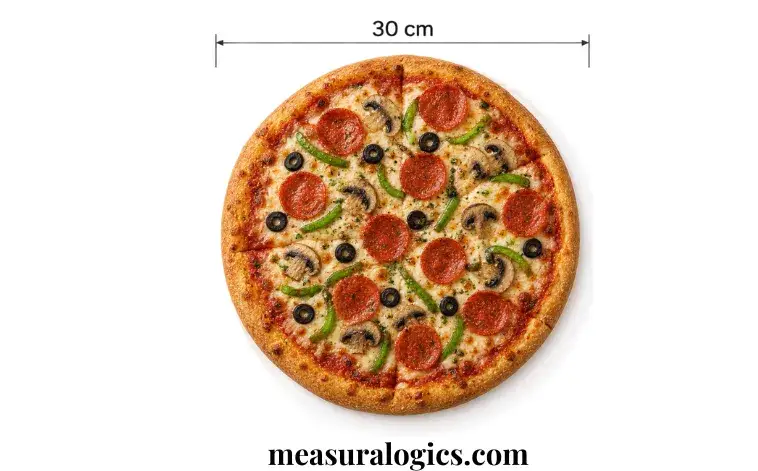
A medium pizza can provide an easy way to visualize 30 cm. Many pizzas around 12 inches across measure close to this length. Since 12 inches equal 30.48 cm, the difference is very small.
Imagine placing a 30 cm ruler across the pizza. Start at one edge and move toward the opposite edge. The ruler would cover almost the entire diameter. Only a small gap would remain.
The comparison works because pizza diameter measures the distance across the center. This gives you a straight measurement from one edge to another. It does not measure around the outside.
Pizza sizes can vary between restaurants. Some medium pizzas may measure slightly smaller or larger. Therefore, use this example as a visual guide rather than an exact rule.
The comparison becomes useful when someone asks how long is 30 cm. Instead of imagining an abstract number, picture a nearly 12-inch pizza.
A pizza with a 30 cm diameter would have a surface width close to one foot. That makes it quite easy to picture in everyday life.
The thickness of the pizza does not affect this comparison. The 30 cm measurement only describes its diameter. The crust and toppings may extend slightly beyond the listed size.
You can also compare this measurement with a dinner plate. Many large plates measure around 25 to 30 cm wide. This makes them another useful visual reference.
Remember that pizza sizes are not always exact. Restaurant descriptions often use rounded measurements. A pizza advertised as 12 inches may not measure perfectly 30.48 cm.
For accurate work, use a ruler or measuring tape. For everyday understanding, a medium pizza provides a simple mental image.
A Standard Plant Pot (Medium Size)
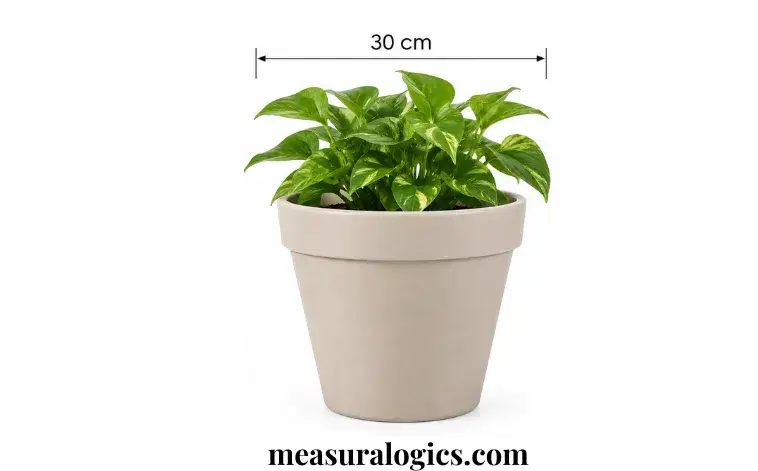
A medium plant pot can help you picture a measurement close to 30 cm. Some medium pots measure around 30 cm across their widest point. This makes them useful for understanding the size.
Plant pots come in many different shapes. Some have narrow bases and wide openings. Others have straight sides or unusual decorative designs. Because of these differences, their measurements can vary.
If a plant pot has a 30 cm diameter, its opening measures about 11.81 inches across. This makes the opening almost one foot wide.
You can imagine placing a ruler across the top of the pot. The ruler would stretch from one edge to the other. This gives you a simple visual idea of 30 cm.
The height can be different from the diameter. A pot may have a 30 cm opening but stand 25 cm tall. Another pot could have the same diameter and stand much taller.
This shows why product dimensions matter. A label showing 30 cm does not always tell you every measurement. You need to check whether it describes height, width, depth, or diameter.
A 30 cm plant pot can hold a moderate amount of soil. However, its capacity depends on the shape and depth. The measurement alone cannot tell you the exact volume.
For gardeners, this comparison can make measurements easier. If you do not have a ruler nearby, imagining a medium plant pot can help.
The best reference point is the top opening. Measure straight across the center for the diameter. This gives the closest comparison to a 30 cm circular measurement.
Plant pots offer a practical example because they appear in many homes. Their familiar shape makes 30 cm easier to understand.
A Vinyl Record (LP)
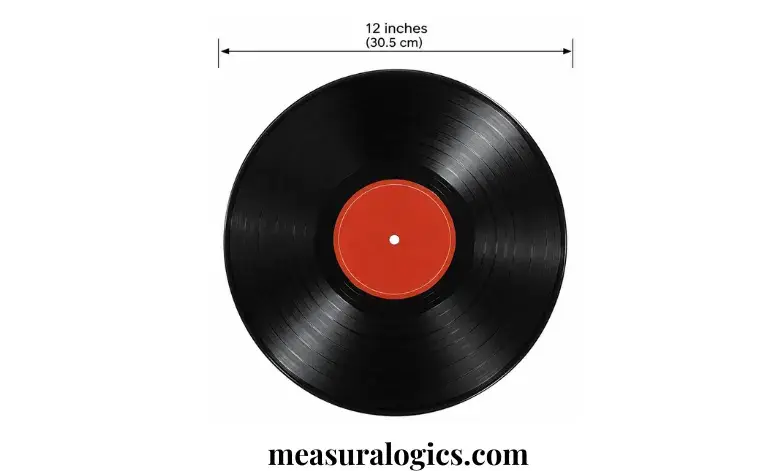
A standard vinyl LP record offers a very close comparison to 30 cm. Traditional LP records usually measure 12 inches across. Twelve inches equals 30.48 cm.
This means a standard LP is only slightly larger than 30 cm. The difference measures less than half a centimeter.
Imagine placing a 30 cm ruler across the center of an LP. The ruler would nearly span the entire record. A tiny section would extend beyond the ruler.
This makes a vinyl record one of the clearest examples. Its round shape also helps explain the idea of diameter.
The diameter measures straight across the center. It does not measure the distance around the record. This distinction matters when comparing circular objects.
A vinyl record also gives you a useful reference for 30 cm in inches. The record’s approximate 12-inch size closely matches the 11.81-inch conversion.
Not every record has the same size. Some records use smaller formats, such as seven-inch records. Others use different specialty sizes.
Therefore, the 12-inch LP is the specific example that works here. Always check the record format when using it for comparison.
The record’s thickness has nothing to do with the 30 cm measurement. Only its diameter provides the useful comparison.
This example works especially well because many people recognize the shape. Even without measuring it, you can picture the approximate size.
If you have an LP at home, place it beside a 30 cm ruler. You will see how closely the measurements match.
That simple comparison can make the conversion easier to remember. Thirty centimeters is almost exactly the width of a 12-inch record.
A Round Side Table
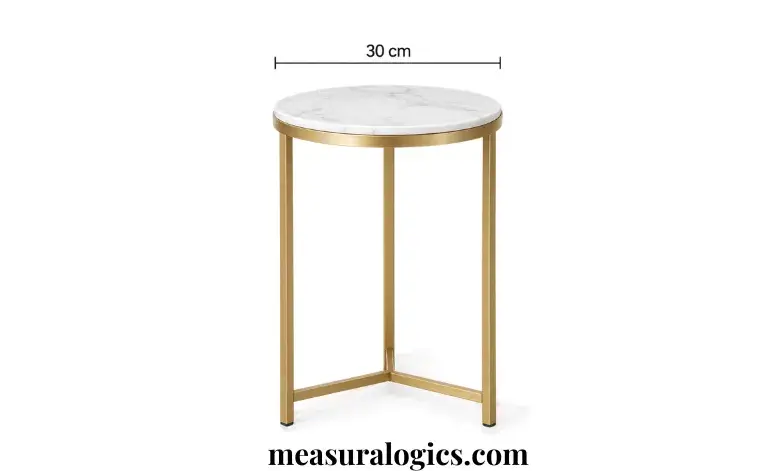
Some compact round side tables have tabletops close to 30 cm wide. These tables can provide another practical example of the measurement.
A 30 cm tabletop has a diameter of about 11.81 inches. This makes it slightly narrower than a 12-inch circle.
Round side tables come in many sizes. Some are designed for small spaces. Others have much larger tabletops for books, lamps, or decorations.
Because of this variety, not every side table will measure 30 cm. You should always check the manufacturer’s dimensions.
When a table has a 30 cm diameter, measure from one edge to the opposite edge. The measurement should pass through the center.
The table’s height is a separate measurement. A tabletop could have a 30 cm diameter while standing 50 cm tall.
This example helps show why different dimensions describe different parts. Width, height, depth, and diameter should not be treated as the same thing.
A 30 cm table can fit into a small corner. It may work beside a chair or a compact sofa. Its small surface provides enough space for simple items.
However, its usefulness depends on the design. Some tables have thick frames that reduce usable surface space.
If you are shopping for furniture, check all listed measurements. Do not assume that a 30 cm label describes the whole table.
For visualizing how big is 30 cm, though, a compact round table works well. Imagine a tabletop almost the same width as a 12-inch pizza.
That comparison gives you an immediate sense of its size. It also shows how 30 cm can appear in real household objects.
A Guitar Neck (Full Length from Nut to Body)
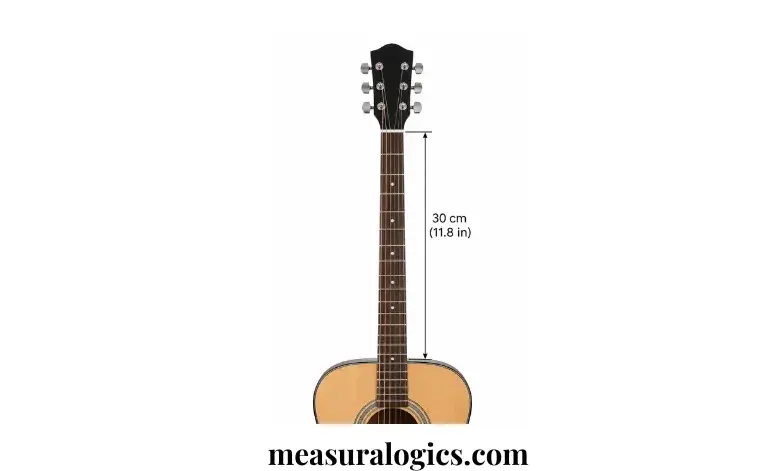
A guitar neck can provide a rough comparison for 30 cm. However, guitar designs differ significantly. Therefore, 30 cm should not represent every guitar neck.
Some shorter guitar neck sections can approach 30 cm. The exact distance depends on the guitar model and design.
A guitar neck also includes several different measurement points. The distance from the nut to the body is not always the same. Scale length and neck length are separate measurements.
This makes guitars different from simple objects such as rulers. A ruler has one clear length. A guitar contains several dimensions.
For a rough visual reference, imagine a 30 cm ruler placed along part of the neck. The ruler would cover a substantial section.
The comparison can help you understand how long is 30 cm. However, it should not replace the manufacturer’s specifications.
Guitar sizes vary between acoustic, electric, classical, and travel guitars. Children’s guitars also have different dimensions.
Some guitars have shorter scale lengths. Others use longer designs. These differences can change the measurements significantly.
If you need an exact guitar measurement, check the model specifications. Manufacturers usually provide scale length and other important dimensions.
The 30 cm comparison is mainly useful for visual understanding. It helps turn an abstract measurement into something familiar.
You can also compare the measurement with a guitar pickguard or other parts. Some components may approach 30 cm in length or width.
Remember that 30 cm equals about 11.81 inches. This conversion can help when guitar specifications use inches instead.
The guitar example therefore works best as a general visual reference. It should not be treated as a universal guitar measurement.
A Standard Floor Tile
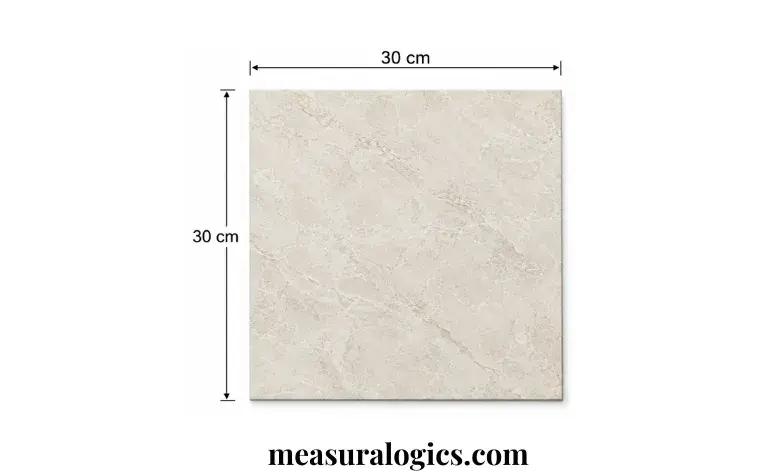
A 30 cm floor tile is one of the most direct examples. Many square tiles use dimensions close to 30 cm by 30 cm.
If a tile measures exactly 30 cm on each side, its width equals 30 cm. Its length also equals 30 cm.
This makes the tile easy to compare with a standard ruler. Place the ruler along one side, and the measurement will match its full length.
In inches, 30 cm equals approximately 11.81 inches. Therefore, the tile measures almost 12 inches on each side.
Tile sizes can vary widely. Some use 20 cm, 30 cm, 40 cm, or larger dimensions. Modern tiles also come in rectangular shapes.
Because of these differences, always check the package measurements. A tile described as approximately 12 inches may not measure exactly 30 cm.
The thickness of the tile is another separate measurement. A tile can have a 30 cm surface while being only a few millimeters thick.
This example shows why length and thickness should not be confused. The 30 cm measurement describes the tile’s side length.
A square 30 cm tile also helps you visualize area. Its surface covers 900 square centimeters. That comes from multiplying 30 cm by 30 cm.
You do not need this area calculation for basic conversion. Still, it shows how a simple length creates a larger surface.
For home improvement projects, accurate measurements matter. Small differences can create gaps between tiles.
For everyday understanding, however, a 30 cm floor tile provides an excellent reference. Its straight edges make the measurement easy to picture.
A Newborn Baby’s Length at Birth
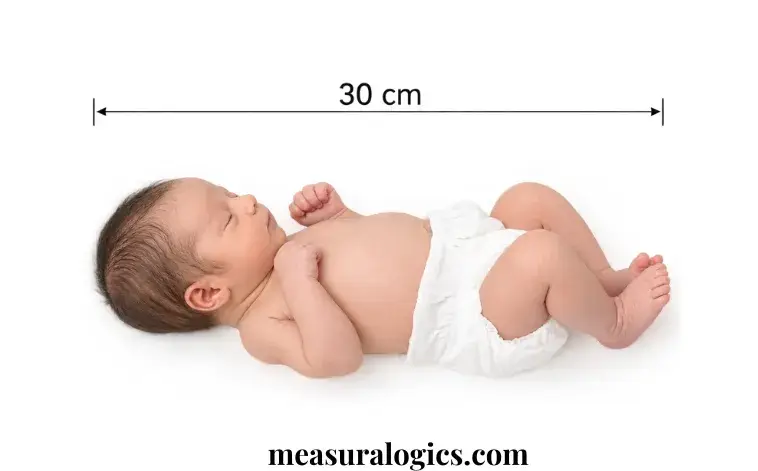
A newborn baby is usually longer than 30 cm. Many newborns measure around 45 to 55 cm at birth. Therefore, 30 cm represents roughly half or slightly more than half.
This comparison helps people picture the measurement using something familiar. However, newborn lengths vary naturally.
A baby measuring 50 cm, for example, is 20 cm longer than 30 cm. This means 30 cm would cover about three-fifths of the baby’s length.
Imagine placing a 30 cm ruler beside a newborn. The ruler would cover a large portion of the baby’s body length.
This example should remain approximate. Babies can have different birth lengths based on many factors.
The purpose of this comparison is not to provide a medical standard. It simply helps explain the physical size of 30 cm.
It also shows that 30 cm is not a very small measurement. Although centimeters are smaller units, 30 centimeters creates a noticeable length.
You can compare the measurement with common baby products. Some changing mats, blankets, and baby accessories have dimensions around 30 cm.
When measuring baby items, always check the product specifications. A label showing 30 cm might describe width rather than length.
This example also helps explain 30 cm in feet. Since 30 cm equals about 0.984 feet, the measurement is almost one foot.
A newborn is usually much longer than one foot. Therefore, 30 cm represents only part of the baby’s total length.
The comparison remains useful because it gives you a real-world sense of distance. It turns the number 30 into something easier to imagine.
Remember that newborn sizes vary. Use the example only as a general visual comparison.
A Standard PVC Pipe Section
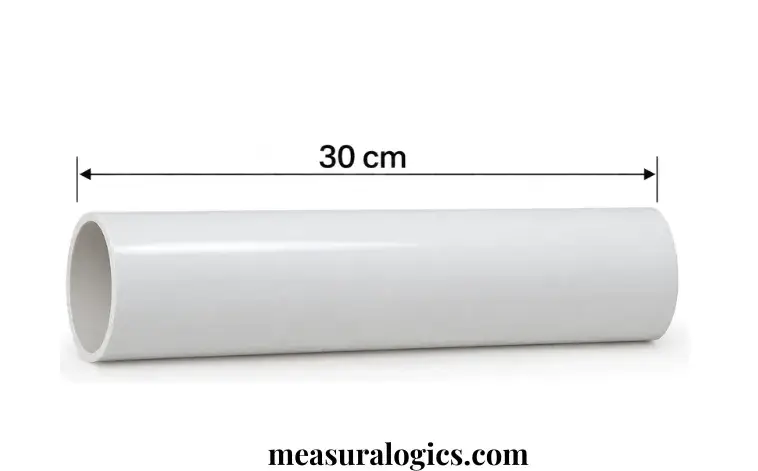
A PVC pipe section can easily measure 30 cm when cut for a project. DIY users often cut pipes into different lengths based on their needs.
A 30 cm pipe section measures approximately 11.81 inches long. This makes it almost one foot in length.
The pipe’s diameter is a completely different measurement. A pipe could be 30 cm long but only a few centimeters wide.
This difference is important when working with plumbing materials. Length and diameter describe different parts of the pipe.
For example, a pipe may have a 30 cm length and a 2 cm diameter. Both measurements describe the same pipe.
PVC pipes come in many sizes and thicknesses. Their exact dimensions depend on the product and application.
A 30 cm cut therefore works as a practical example rather than a universal standard. There is no single pipe length that applies to every PVC product.
If you are working on a DIY project, measure carefully before cutting. A small mistake can make the pipe too short.
A tape measure or ruler makes this process easier. Mark the 30 cm point before making the cut.
The comparison also helps people understand how long is 30 cm. A pipe section measuring this length would be almost as long as a 12-inch ruler.
If you use inches instead, mark approximately 11.81 inches. For rough work, 12 inches may be easier to remember.
For professional plumbing projects, use the exact specifications. Different fittings and pipe systems require accurate measurements.
This example shows how 30 cm appears in practical projects. It is long enough for many small sections but short enough for easy handling.
A Typical Skateboard Deck Width
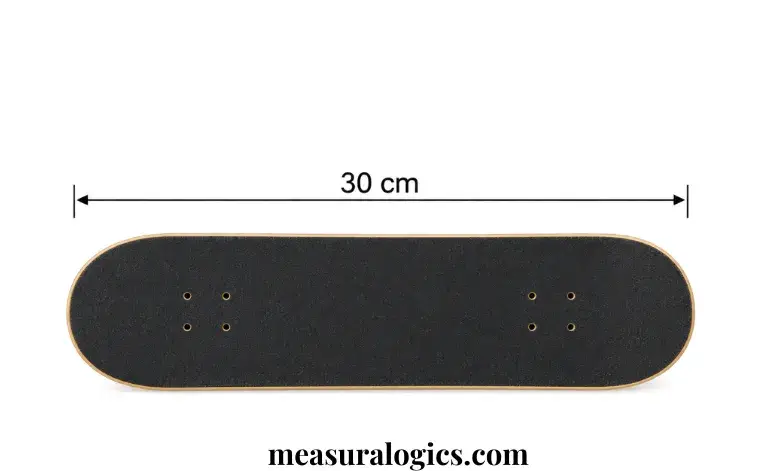
A skateboard deck is usually narrower than 30 cm. Many common skateboard decks measure around 20 to 22 cm wide.
This means one deck width does not exactly match 30 cm. However, two deck widths together can approach or exceed 30 cm.
For example, a 20 cm deck is two-thirds of 30 cm. Two such widths would equal 40 cm.
This makes the skateboard comparison useful only as a rough visual guide. It should not represent an exact 30 cm object.
Skateboard widths vary based on riding style and board design. Some boards are narrower, while others are wider.
The length also varies greatly. A skateboard may measure well over 70 cm long.
Therefore, when discussing 30 cm, focus only on the width. Do not use the complete skateboard length as the comparison.
You can imagine placing a 30 cm ruler across the board. The ruler would extend beyond a typical deck width.
This can actually help you understand the measurement. Seeing that 30 cm is wider than one deck makes the size easier to picture.
The comparison also shows why exact dimensions matter. A product can have several different measurements.
Width, length, and wheelbase all describe different parts of a skateboard. They should not be mixed together.
For an accurate measurement, check the manufacturer’s specifications. Product dimensions can vary between skateboard models.
The 30 cm value remains easy to remember. It is about 11.81 inches and just under one foot.
This example works best when explaining scale. It shows that 30 cm is larger than many common skateboard widths.
A Large Dinner Candle Holder
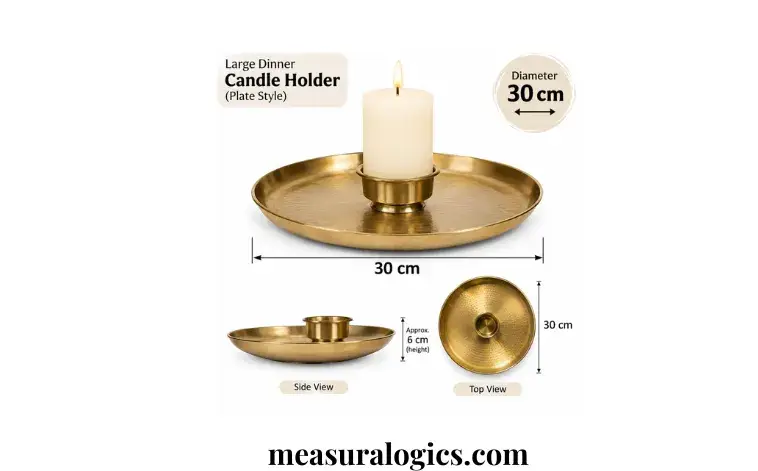
Some large dinner candle holders have a plate-style base measuring around 30 cm. These decorative pieces can provide another visual comparison.
A 30 cm candle holder base would measure almost 12 inches across. This makes it close to the diameter of a large dinner plate.
The exact size depends on the design. Some candle holders have small bases. Others use wide decorative plates for several candles.
When comparing the object with 30 cm, measure its widest part. If the base is round, measure straight across its center.
This gives you the diameter. Do not measure around the outside edge because that gives the circumference.
A 30 cm decorative base can take up noticeable table space. It may hold candles, flowers, or other decorations.
The comparison helps show that 30 cm is a moderate household measurement. It is larger than many small objects but smaller than most large furniture surfaces.
The height of the candle holder can be completely different. A holder could have a 30 cm base but stand only 10 cm tall.
This is why product measurements should always identify the dimension. Width, height, depth, and diameter have different meanings.
For home decoration, the 30 cm measurement can help with spacing. A large centerpiece may need enough table space around it.
If you are planning a table arrangement, measure the available surface first. Then compare it with the 30 cm object.
This prevents overcrowding and gives decorations enough room.
As a visual reference, imagine a 12-inch plate. A 30 cm candle holder base would be almost the same width.
That simple comparison makes how big is 30 cm much easier to understand.
A Standard Badminton Racket Handle
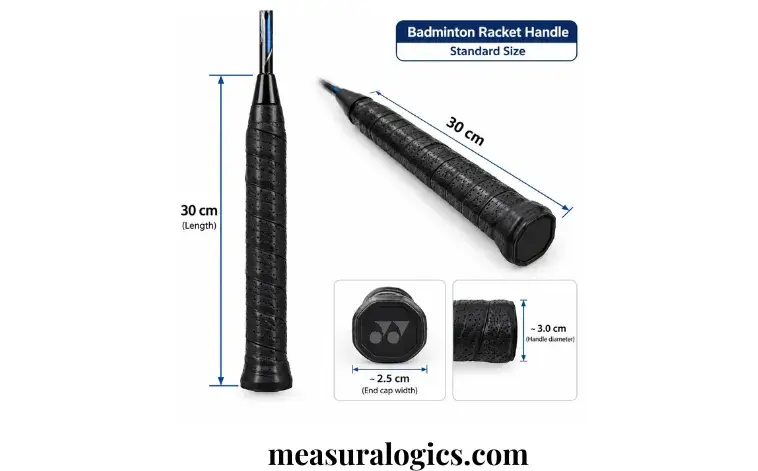
A badminton racket handle can provide a rough reference for 30 cm. However, racket designs vary between manufacturers and models.
The handle and shaft together form only part of the racket. The entire racket is much longer than 30 cm.
Some handle sections can approach this measurement when measured along the grip area and lower shaft. However, the exact length depends on the racket.
For this reason, 30 cm should not be treated as a standard badminton racket handle length.
A better approach is to use the racket as a visual object. Imagine a 30 cm ruler placed beside its handle.
The ruler would cover a significant portion of the lower racket. This gives you a general idea of the distance.
Badminton rackets often measure around 65 to 68 cm overall. Therefore, 30 cm represents less than half of the complete racket length.
This comparison also shows why measurements need context. Saying “30 cm racket” could cause confusion.
It might describe the handle, shaft, frame, or another part. Always check which dimension the measurement describes.
If you need an exact racket measurement, use the manufacturer’s specifications. Sports equipment often uses specific sizing information.
The 30 cm value can still help when comparing racket parts. It provides a simple reference for understanding the scale.
Since 30 cm equals 11.81 inches, you can also compare it with inch-based specifications.
For a quick visual estimate, imagine a 30 cm ruler beside the handle. This gives you a much clearer idea than simply reading the number.
The important point is that the example is approximate. Different badminton rackets can have different dimensions.
A Standard Bathroom Faucet Spout Reach
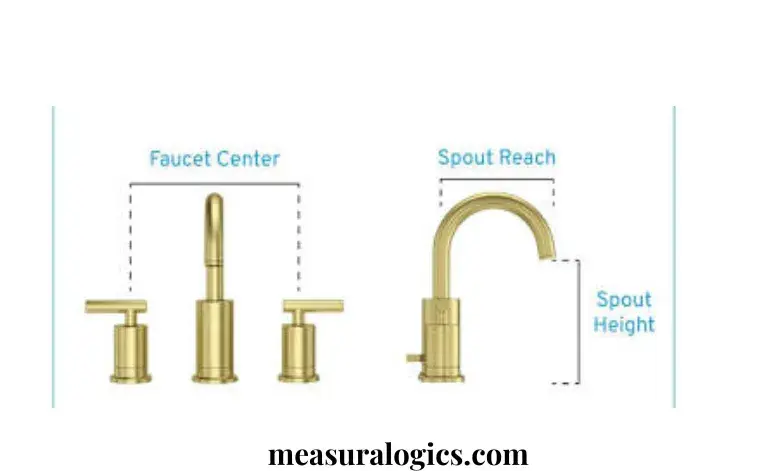
A bathroom faucet can sometimes have a spout reach close to 30 cm. Spout reach describes how far the faucet extends over the sink.
A 30 cm reach equals about 11.81 inches. This can provide a useful reference when choosing bathroom fixtures.
However, faucet designs vary significantly. Some spouts have short reaches. Others extend much farther into the sink.
The sink itself also affects whether a 30 cm reach works well. A long spout may place water near the center. A short spout may keep water closer to the back.
When shopping for a faucet, check the exact reach measurement. Do not assume that every bathroom faucet measures 30 cm.
The measurement can affect both appearance and function. A faucet that extends too far may not suit a small sink.
A faucet that does not extend far enough may place water in an awkward position.
This makes accurate measurement important during bathroom planning.
You can use a 30 cm ruler to visualize the reach. Hold it from the mounting point toward the front of the sink.
This shows approximately how far a 30 cm spout would extend.
Remember that faucet height is different from reach. Height measures how high the faucet sits. Reach measures how far it extends horizontally.
This distinction prevents common measurement mistakes.
The example also demonstrates how 30 cm appears in real home products. It is a practical size for certain fixture dimensions.
If a product lists its reach in inches, 30 cm would be about 11.81 inches.
Always compare that measurement with your sink dimensions before buying. This helps ensure the faucet fits correctly.
30cm Diameter: What That Actually Means
A 30cm diameter describes the distance across a circular object. The measurement must pass directly through the center of the circle.
For example, imagine a round table with a 30 cm diameter. Place a ruler across the center of the tabletop. The distance from one edge to the other would equal 30 cm.
In inches, that diameter equals approximately 11.81 inches. Therefore, a 30cm circle is almost 12 inches wide.
Diameter is different from radius. The radius measures from the center to one edge. For a 30 cm diameter, the radius is 15 cm.
Diameter is also different from circumference. Circumference measures the distance around the outside of the circle.
This difference matters when measuring round objects. A 30 cm diameter does not mean the circle has a 30 cm circumference.
Many everyday objects can have a 30 cm diameter. These include plates, pots, small tables, clocks, trays, and decorative items.
When you see “30 cm diameter” in a product listing, it usually describes the object’s width across its circular surface.
It does not describe the object’s height. A 30 cm round table could have a height of 45 cm. A 30 cm pot could stand 25 cm tall.
This is why product dimensions often include several measurements.
A 30 cm diameter is also close to a 12-inch diameter. This makes the size easy to visualize.
If you need an exact measurement, use a ruler or measuring tape. Start from one edge and measure straight across the center.
For quick estimates, simply remember that 30 cm is almost one foot wide.
This simple idea works for many circular objects. It helps you understand product sizes before you buy or measure them.
Common Mistakes People Make
One common mistake is saying that 30 cm equals exactly 12 inches. The accurate conversion is approximately 11.81 inches.
Twelve inches actually equals 30.48 cm. Therefore, 30 cm is slightly shorter than 12 inches.
Another common mistake involves confusing centimeters and millimeters. One centimeter equals 10 millimeters. Therefore, 30 cm equals 300 mm.
Some people also confuse centimeters with meters. One meter contains 100 centimeters. This means 30 cm equals 0.3 meters.
Another mistake involves confusing diameter and circumference. A 30 cm diameter measures straight across a circle. Circumference measures around its outer edge.
People may also confuse width and height. If an object measures 30 cm wide, that does not mean it is 30 cm tall.
Product descriptions can contain several measurements. Always check which dimension the number describes.
Rounding can also create problems. Saying 30 cm is about 12 inches works for casual estimates. It should not replace the exact value for precise work.
Another mistake involves assuming that all objects have standard sizes. Everyday products often vary between brands and models.
A medium pizza may not measure exactly 30 cm. A plant pot may also have slightly different dimensions.
This is why real-life examples should help you visualize measurements. They should not replace actual measurements when accuracy matters.
Use a ruler or measuring tape whenever precision is important. This is especially useful for construction, crafts, furniture, and home improvement.
Remember the basic conversions. 30 cm equals 11.81 inches, 0.984 feet, 0.3 meters, and 300 millimeters.
Keeping these values in mind can prevent most conversion errors.
FAQs
How many inches is 30 cm?
30 cm equals approximately 11.81 inches. You can round this to 11.8 inches for everyday use. It is slightly shorter than 12 inches.
How long is 30 cm?
30 cm is almost one foot long. More precisely, it measures about 11.81 inches. A standard 30 cm ruler provides an easy visual reference.
How big is 30 cm?
30 cm is close to the diameter of a 12-inch pizza. It is also similar to the width of some floor tiles and large household objects.
What is 30 cm in feet?
30 cm equals approximately 0.984 feet. This means it is just below one full foot.
What is 30 cm in meters?
30 cm equals 0.3 meters. One meter contains 100 centimeters, so 30 cm represents three-tenths of a meter.
Conclusion
So, how many inches is 30 cm? The exact conversion is approximately 11.81 inches. This makes 30 cm slightly shorter than 12 inches.
You can also describe 30 cm as almost one foot. One foot equals 30.48 cm, so the difference is only 0.48 cm.
The main conversion is simple. Divide 30 by 2.54 to convert centimeters into inches. The result is approximately 11.81 inches.
Other useful conversions are also easy to remember. Thirty centimeters equals 0.984 feet, 0.3 meters, and 300 millimeters.
Real-life objects can make these numbers easier to understand. A 12-inch pizza is close to 30 cm across. A standard LP record also measures about 30.48 cm in diameter.
Some floor tiles measure 30 cm on each side. Certain plant pots, side tables, candle holders, and faucet reaches can also approach this measurement.
However, everyday objects can vary in size. Use them as visual references rather than exact measuring tools.
If you need accurate results, use a ruler or measuring tape. This matters when working on crafts, furniture, home projects, and other precise tasks.
It is also important to understand the difference between length and diameter. A 30 cm diameter means a circle measures 30 cm across its center. It does not describe the circle’s circumference or height.
You should also avoid confusing centimeters with millimeters. Since 30 cm equals 300 mm, a measurement such as 6mm is much smaller.
The easiest number to remember is 30 cm = 11.81 inches. For quick estimates, think of it as almost 12 inches.
Understanding this conversion can make product sizes and everyday measurements easier. Save this guide for future conversions and use the comparison examples whenever you need to picture 30 cm.

I am Dr. Muhammad Zubair, a mathematician, researcher, and educator with a Ph.D. in Mathematics and postdoctoral research. My research work has been published in reputable, peer-reviewed international journals a reflection of my continued commitment to academic excellence and the advancement of mathematical knowledge. And I am a also experienced blogger at Measura Logic, focusing on all aspects of measurements.