
Understanding measurements can be difficult without familiar objects for comparison. You might know what 20 feet means on paper. However, imagining this length in real life can be challenging.
The good news is that many everyday objects help you visualize 20 feet. Shipping containers, ropes, cables, and pipes provide useful examples. Some objects measure exactly 20 feet, while others offer similar comparisons.
Knowing how long is 20 feet can help with home projects, construction, gardening, and travel. It can also help you estimate distances without measuring every space.
For example, imagine a large container used to transport goods. Many standard shipping containers measure about 20 feet long. This gives you a practical idea of the distance.
You can also picture a rope stretched across a room or a cable running through a large space. These examples make the measurement easier to understand.
In this guide, you’ll discover 12 common things that are 20 feet long. You’ll also learn how big 20 feet looks, how tall it is, and how to convert it into other units.
We’ll explain simple ways to estimate this length without special tools. You’ll also find a comparison table and answers to common measurement questions.
By the end, you’ll have a clearer picture of 20 feet. You’ll be able to compare this distance with objects you see around you.
Here are the most useful conversions for understanding a 20-foot length.
| Measurement unit | Equivalent to 20 feet |
| Inches | 240 inches |
| Yards | 6.67 yards |
| Meters | 6.096 meters |
| Centimeters | 609.6 cm |
| Millimeters | 6,096 mm |
| Feet | 20 feet |
These conversions help when you work with different measuring systems. For example, someone using a metric tape measure can think of 20 feet as approximately 6.1 meters.
The conversion is straightforward because one foot contains 12 inches, while one meter contains approximately 3.281 feet. Multiplying 20 by 12 gives 240 inches. Dividing 20 by approximately 3.281 gives about 6.096 meters.
Remember that 20 feet describes length, not necessarily height or width. A 20-foot object can lie horizontally, stand vertically, or span a particular distance between two points. Its orientation depends on the object and how you use it.
What Does 20 Feet Look Like?
Twenty feet is a little over six meters, so it is longer than many household furniture pieces and large enough to span a noticeable section of a yard or driveway.
One easy way to visualize it is to imagine two 10-foot lengths placed in a straight line. Another option is to picture four 5-foot sections joined together. Both examples create a total length of 20 feet.
You can also use familiar spaces to estimate the distance. For example, a 20-foot line might stretch across a small outdoor area or cover much of a residential driveway. The actual comparison depends on the dimensions of your property.
For a quick mental picture, remember these comparisons:
- Two 10-foot sections equal 20 feet.
- Four 5-foot sections equal 20 feet.
- Twenty feet equals 240 inches.
- Twenty feet is approximately 6.1 meters.
These examples are useful when you need a rough estimate before taking an actual measurement.
Also read: How Long Is 4 Feet? 14 Everyday Objects for Comparison
How Big Is 20 Feet Compared to Everyday Objects?
The size of 20 feet becomes easier to understand when you compare it with objects that have known dimensions. A shipping container is a particularly useful example because 20-foot containers are a recognized standard size.
Other objects, including ropes, extension cords, and pipes, are also sold in 20-foot lengths. However, their actual dimensions depend on the specific product.
Consider these practical comparisons:
- Shipping container: A standard 20-foot container has a nominal exterior length of 20 feet.
- Rope: A rope cut to 20 feet covers the full distance when stretched straight.
- Extension cord: A 20-foot cord reaches up to 20 feet along its path when fully extended.
- Pipe: A pipe manufactured or cut to 20 feet provides a useful reference for this length.
- Measuring tape: A tape measure with a 20-foot measuring range can measure the distance directly.
One important distinction is that a product’s advertised length may describe its nominal or usable length. Flexible objects can bend, coil, or stretch slightly, while rigid objects maintain their shape.
If you need an accurate measurement for a building project, purchase, or installation, check the manufacturer’s specifications instead of relying only on a visual comparison.
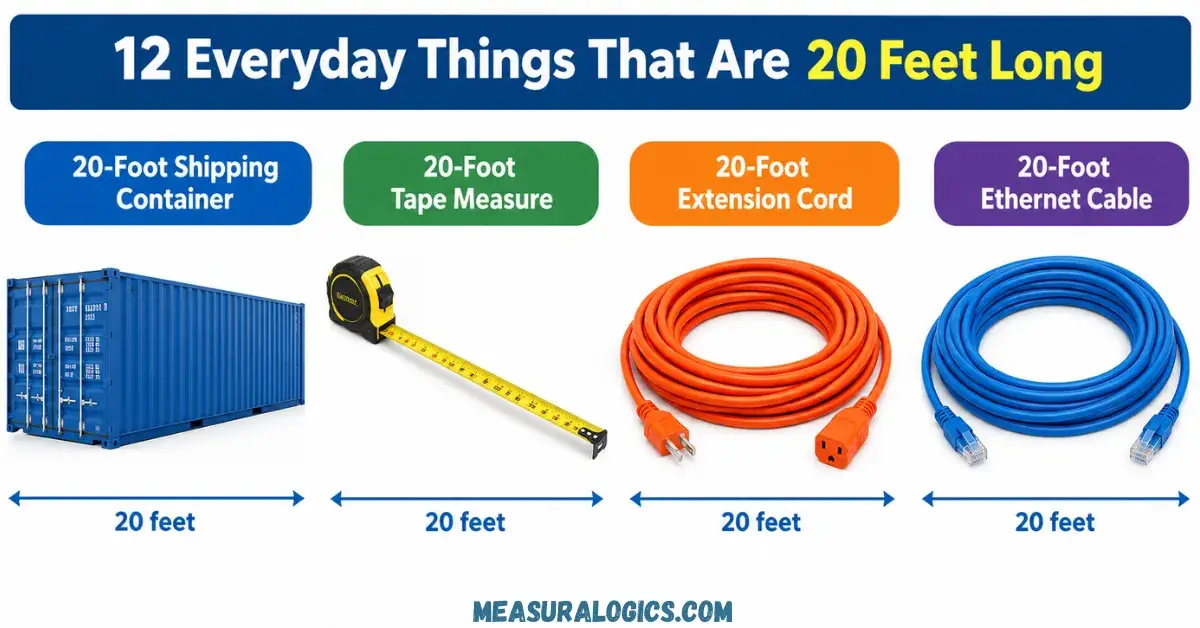
12 Common Things That Are 20 Feet Long
Many products are available in 20-foot lengths, making them useful references for understanding this measurement. Some are manufactured in standard sizes, while others can be purchased in a specific length or cut to order.
The following examples show how a 20-foot length appears in practical settings.
1. 20-Foot Shipping Container
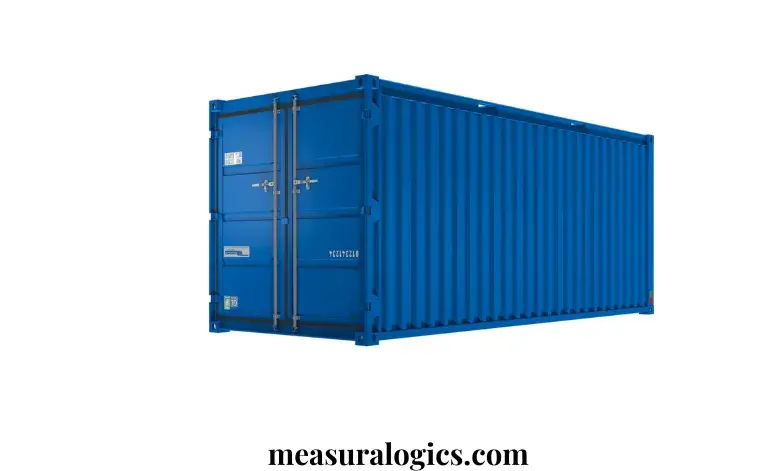
A 20-foot shipping container is one of the clearest references for this measurement. It is used to transport cargo and store equipment, tools, and other goods.
The 20-foot label identifies its nominal size. Actual exterior measurements vary slightly by manufacturer and container specification. For example, some standard containers measure approximately 19 feet 10.5 inches externally.
2. 20-Foot Tape Measure

A 20-foot tape measure is a practical tool for checking room dimensions, furniture placement, and small construction projects. Its measuring blade extends up to 20 feet, or 240 inches.
Unlike a rigid ruler, the tape can bend and retract into its case. To measure a full 20-foot distance accurately, keep the blade aligned with the area you are measuring and avoid sagging.
This tool is especially useful for measuring spaces that are too long for a standard ruler.
3. 20-Foot Extension Cord

A 20-foot extension cord provides extra reach between a power outlet and compatible electrical equipment. It can be useful in workshops, garages, and outdoor work areas when the cord is suitable for the environment.
When fully extended along a straight line, a 20-foot cord covers a nominal length of 20 feet. Its actual reach may be shorter if the cord must bend around furniture or obstacles.
Choose a cord rated for the equipment and conditions in which you intend to use it.
4. 20-Foot Rope
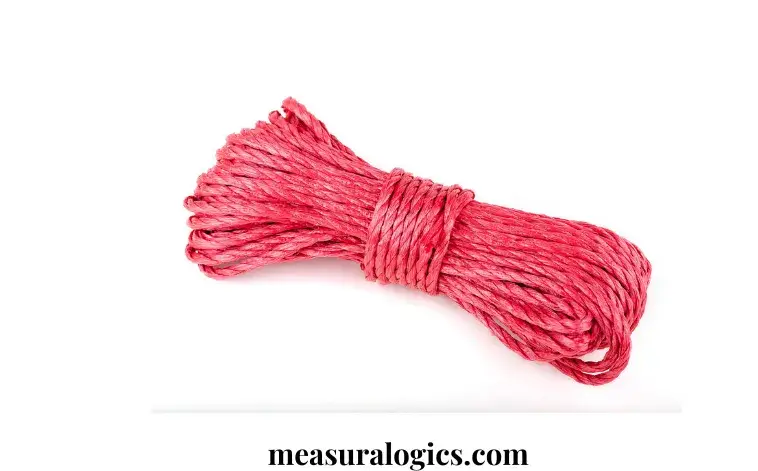
A 20-foot rope is a simple example of a flexible object with a defined length. Ropes are used for camping, boating, gardening, outdoor activities, and many household tasks.
If you stretch the rope in a straight line without pulling it beyond its intended limits, it provides a clear reference for 20 feet.
However, a coiled rope takes up much less space than its full length. Always measure along the rope itself rather than estimating its length from the size of the coil.
5. 20-Foot Chain
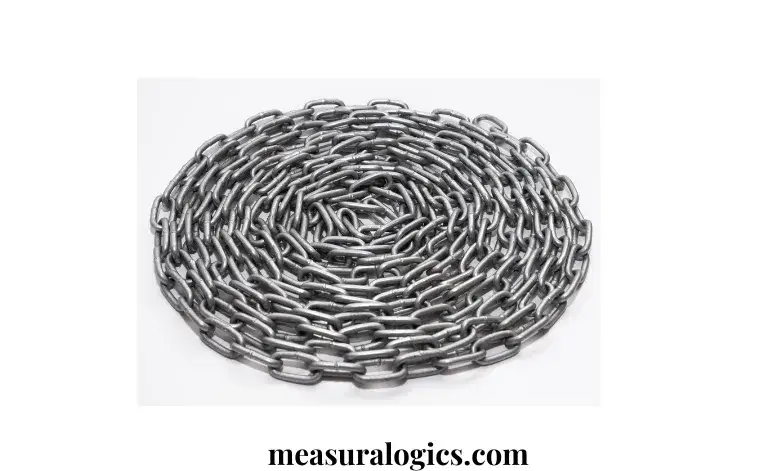
A 20-foot chain can be used for certain industrial, agricultural, or general utility applications. Its length depends on the number and size of the connected links.
A chain measuring 20 feet from end to end offers a useful comparison with other long objects. When laid straight, it occupies approximately 20 feet of linear space.
Before using a chain for lifting, securing loads, or towing, check its rated capacity and intended purpose. Length alone does not determine whether a chain is safe for a particular job.
6. 20-Foot Tow Strap
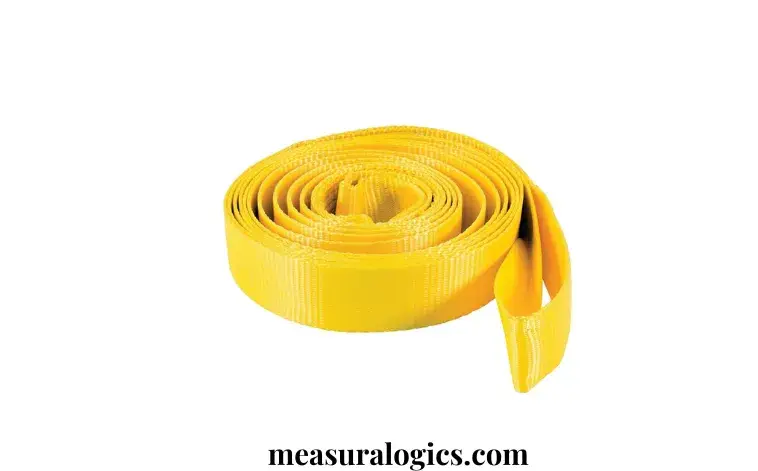
A 20-foot tow strap provides a flexible connection between compatible vehicles or equipment during approved recovery tasks. The strap can also help illustrate the difference between a straight length and a curved path.
When stretched out without excessive tension, a strap with a nominal length of 20 feet covers a comparable distance.
Always follow the manufacturer’s instructions and rated working limits. Never assume that a strap is suitable for vehicle recovery simply because it is long enough.
7. 20-Foot Jumper Cable Set
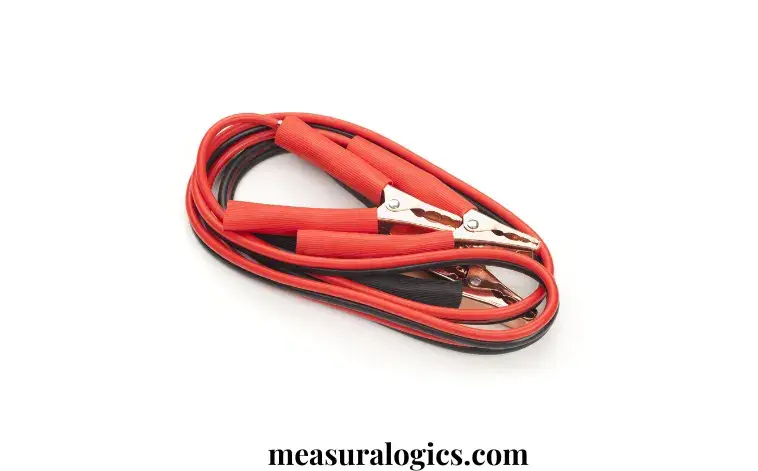
Jumper cables connect compatible vehicle batteries during an appropriate jump-start procedure. Longer sets can help reach between vehicles when their battery locations make a short set impractical.
A 20-foot jumper cable set is a possible product length, although availability varies by manufacturer. Check the listed length and cable specifications before using it as a reference.
For safety, follow the vehicle and cable instructions carefully, and do not connect batteries using incompatible equipment.
8. 20-Foot Dog Training Leash
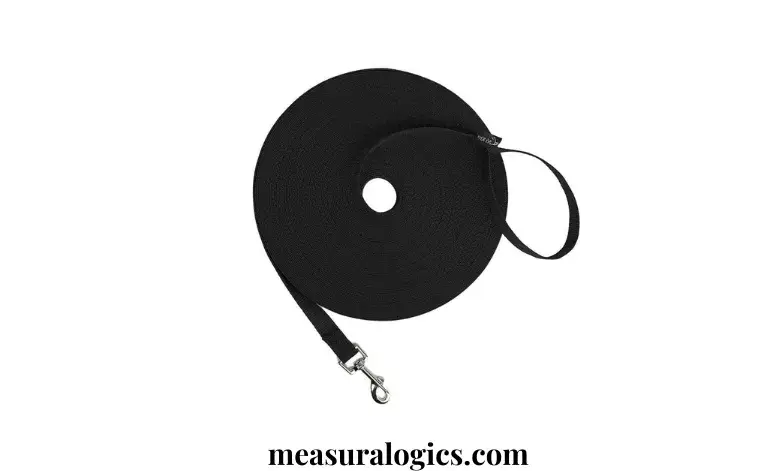
A 20-foot training leash gives a dog more room to move during supervised recall practice and outdoor training. It can be particularly useful when teaching a dog to respond to commands from a greater distance.
When the leash is laid straight, its full length provides a convenient illustration of 20 feet.
The usable distance changes when the leash curves or wraps around objects. Keep the line away from roads, obstacles, and other hazards, and maintain control of the dog throughout training.
9. 20-Foot HDMI Cable
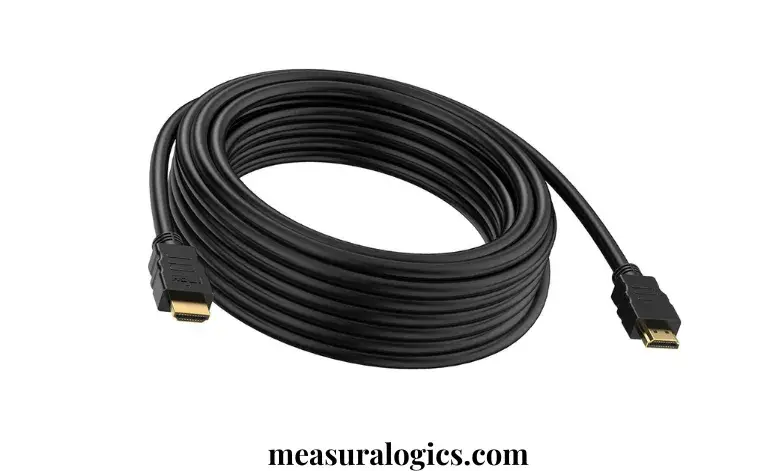
A 20-foot HDMI cable can connect compatible audiovisual equipment across a room. For example, it may run between a television and a media device or between a projector and a computer.
The cable’s length is useful for visualizing the distance between two electronic devices. However, signal performance depends on the cable design, supported resolution, refresh rate, and equipment.
For longer runs or demanding video specifications, verify compatibility before purchasing a cable.
10. 20-Foot Ethernet Cable

An Ethernet cable measuring 20 feet can connect a router, computer, network switch, or other compatible device. It offers enough cable for many room layouts without requiring an especially long network run.
When extended straight, it covers the same nominal length as a 20-foot rope or cord.
If you need to route the cable around desks, walls, or furniture, allow extra length for the path. The distance between devices may be shorter than the amount of cable required.
11. 20-Foot PVC Pipe

PVC pipes are used in suitable plumbing, drainage, irrigation, and other building applications. Some pipes are sold in long sections, while available lengths depend on the product and local supplier.
A PVC pipe measuring 20 feet creates a clear straight-line comparison. Unlike a rope or cable, the pipe is rigid and keeps its shape under normal handling.
Before buying one, confirm the nominal length, pipe diameter, material rating, and suitability for the intended application.
12. 20-Foot Steel Pipe

A steel pipe cut to 20 feet can be found in certain construction, industrial, and fabrication applications. It provides another rigid example of a long object.
Because steel pipes vary in diameter, wall thickness, and weight, two pipes of the same length can have very different handling requirements.
For a precise measurement, check the supplied pipe’s actual end-to-end length. If the pipe is intended for structural or pressure-related use, verify the required specifications rather than relying on length alone.
Everyday Objects and Items That Measure 20 Feet
Not every 20-foot reference needs to be a specialized product. You can also use familiar items and spaces to picture this distance, provided you know their actual dimensions.
Here are several practical references:
- Two 10-foot sections: Place two measured sections end to end to create 20 feet.
- Four 5-foot sections: Four equal sections of 5 feet each total 20 feet.
- A long driveway section: Some residential driveways have stretches close to 20 feet, but their dimensions vary.
- A garden or yard measurement: A straight 20-foot line can help plan planting areas, fencing, or outdoor layouts.
- A long cable run: A 20-foot cable demonstrates how much space a connection may cover when fully extended.
These are comparisons rather than universal object dimensions. For example, not every driveway is 20 feet long, and a cable’s usable reach depends on how it is routed.
If accuracy matters, measure the reference object or check its specifications before using it to estimate another distance.
How Tall Is 20 Feet Compared to Buildings and Trees?
Twenty feet is equal to 6.096 meters, or just over six meters. When this measurement is vertical, it can help describe the height of a structure, tree, or other tall object.
For a visual reference, imagine a vertical line extending from the ground to a point about 20 feet above it. That is taller than many single-story rooms and can reach the height of some small trees or building features.
The exact comparison depends on the object:
- A building: Some low-rise structures or building sections may approach 20 feet in height.
- A tree: Certain small or medium-sized trees can reach around 20 feet, depending on the species and growing conditions.
- A tall room: Some commercial or industrial spaces may have ceilings around this height.
- A pole or support: Some installations use poles or supports that approach 20 feet, depending on their purpose.
Do not assume that every tree, building, or pole of a particular category has the same height. Use a known measurement or a suitable measuring tool when the exact height matters.
Also, remember that height and length describe different directions. A 20-foot object laid on the ground covers a horizontal distance of 20 feet, while an object that stands 20 feet tall reaches that height vertically.
How Far Is 20 Feet? Real-Life Distance Examples
Twenty feet is a short but noticeable distance when walking, arranging furniture, or planning an outdoor space. It equals 6.096 meters, making it easy to convert into metric measurements.
Here are a few ways to understand how far it is:
- Walking distance: Twenty feet is a short stretch of ground that you can cover in a few steps. The number of steps depends on your stride.
- Room layout: A 20-foot distance can span a substantial portion of a large room.
- Outdoor planning: You can use 20 feet to estimate spacing for garden beds, equipment, or outdoor furniture.
- Cable placement: A 20-foot cable can connect devices separated by a similar straight-line distance, provided the cable path does not require extra length.
Remember that the distance between two points is not always the same as the length of the route connecting them. If a cable travels around a desk or a walking path curves around obstacles, the route may require more than 20 feet.
20 Feet Compared to Other Common Measurements
Comparing 20 feet with shorter and longer measurements makes it easier to understand its scale. The following table shows how common lengths relate to 20 feet.
| Length | Equivalent in feet | Difference from 20 feet |
| 5 feet | 5 ft | One-quarter as long |
| 10 feet | 10 ft | Half as long |
| 15 feet | 15 ft | Five feet shorter |
| 20 feet | 20 ft | Reference length |
| 25 feet | 25 ft | Five feet longer |
| 30 feet | 30 ft | One and a half times as long |
| 40 feet | 40 ft | Twice as long |
For example, a 40-foot object is exactly twice the length of a 20-foot object. Similarly, two 10-foot sections placed end to end equal 20 feet.
These comparisons are helpful when estimating measurements without converting between units. If you already understand what 10 feet looks like, doubling that length gives you a simple mental picture of 20 feet.
Where Can You See 20 Feet in Everyday Life?
You may encounter a 20-foot measurement in several practical situations. Understanding this length can help you plan projects and estimate distances before measuring them precisely.
At home: You might use a 20-foot measurement when arranging furniture in a large room, planning a garage layout, or checking the reach of an extension cord.
In the garden: A 20-foot line can help with fence planning, planting arrangements, or estimating the space available for outdoor equipment.
During construction: Builders may work with pipes, cables, and other materials supplied in specified lengths. A 20-foot reference can help estimate material requirements.
In transportation and storage: Shipping containers labeled as 20-foot units provide a familiar reference, although their exact external and internal dimensions differ.
For electronics: Longer HDMI and Ethernet cables can help connect devices positioned across a room.
In each situation, the measurement serves a different purpose. A cable length describes the cable itself, while a room measurement describes the distance between two points. Understanding that distinction helps prevent measurement errors.
How to Measure 20 Feet Without a Tape Measure
You do not always need a 20-foot tape measure to estimate this length. Several practical methods can help you mark out the distance, although a proper measuring tool is best when accuracy is essential.
1. Use a known 5-foot length
Measure or identify a reliable 5-foot reference. Mark its endpoint and repeat the process four times in a straight line. The total distance will be 20 feet.
2. Estimate using your steps
Walk across the distance and count your steps. If you know your average step length, you can estimate the total distance. Ordinary walking steps vary, so this method is approximate.
3. Use a rope with known length
If you have a rope that measures 20 feet, stretch it straight along the ground. Mark both endpoints to establish the distance.
4. Measure with a shorter tape
Use a shorter measuring tape and move it along the line in sections. Two measured 10-foot sections, for example, will give you 20 feet.
For the best results, keep your measurements aligned in a straight line. Avoid estimating around corners or over uneven ground. If you are measuring for construction, equipment placement, or material cutting, verify the final distance with a suitable measuring tool.
Frequently Asked Questions
How long is 20 feet in meters?
Twenty feet equals 6.096 meters, or approximately 6.1 meters. This conversion is useful when working with metric measuring tools or planning spaces using meters.
How many inches are in 20 feet?
There are 240 inches in 20 feet. Since one foot equals 12 inches, multiplying 20 by 12 gives 240.
What is something that is 20 feet long?
A 20-foot shipping container is a useful reference. Other examples include a 20-foot rope, extension cord, chain, or pipe. The exact length of each item should be confirmed from its specifications.
How long is 20 feet visually?
Twenty feet looks like a line extending slightly more than six meters. You can picture two 10-foot sections placed end to end or a nominal 20-foot shipping container.
How tall is 20 feet compared to a house?
Twenty feet is approximately 6.1 meters tall. It may be comparable to some low-rise building sections or tall interior spaces, but actual house heights vary by design and construction.
How much is 20 feet away?
Twenty feet away means a distance of 240 inches or 6.096 meters between two points. The route may be longer if you need to walk around obstacles.
How can I measure 20 feet without a tape measure?
You can use a rope of known length, repeat a measured 5-foot or 10-foot section, or estimate using your walking steps. These methods vary in accuracy, so use a proper measuring tool when precision matters.
Final Thoughts
Twenty feet equals 240 inches, 6.67 yards, or 6.096 meters. Although the measurement can be difficult to picture at first, familiar references such as a shipping container, a long rope, or two 10-foot sections make it easier to visualize.
You can also estimate 20 feet by measuring shorter sections, counting steps, or using an object with a known length. For accurate projects, always verify the actual dimensions rather than relying entirely on visual comparisons.

I am Dr. Muhammad Zubair, a mathematician, researcher, and educator with a Ph.D. in Mathematics and postdoctoral research. My research work has been published in reputable, peer-reviewed international journals a reflection of my continued commitment to academic excellence and the advancement of mathematical knowledge. And I am a also experienced blogger at Measura Logic, focusing on all aspects of measurements.