

Have you ever wondered how long 100 feet really is? Numbers on a page can feel confusing. You need something real to picture in your mind.
This guide lists 16 common things that are 100 feet long. Each one gives you a clear, everyday picture. You will never struggle with this measurement again.
Knowing how long 100 feet is helps in many situations. Maybe you are buying land. Maybe you are planning a garden fence. Maybe you just love learning fun facts.
Whatever your reason, this article makes it simple. We use real objects you already know. Football fields, swimming pools, and even snakes make the list.
By the end, you will know 100 feet visualized in many ways. You will also learn how to convert feet into other units. Let’s dive into the details.
What Are Things That Are 100 Feet Long?
Things that are 100 feet long are objects or spaces with that exact length. That’s about 33 large steps for an adult. It also equals 30.48 meters.
To understand how long 100 ft is, think about scale. It’s longer than a bowling lane. It’s shorter than a football field with end zones.
This length shows up often in daily life. Builders use it for lot sizes. Athletes use it for track measurements. Even nature has examples, like tall trees.
Picture ten cars parked bumper to bumper. That distance is close to 100 feet. This mental trick makes the number easier to grasp.
Feet are a common unit in the United States. Other countries often use meters instead. Still, understanding feet helps when reading maps, blueprints, or sports stats.
Once you connect the number to real objects, it sticks. That’s the goal of this whole guide. We turn abstract numbers into clear images.
How Long Is 100 Feet? (Conversion Formula)
Converting feet to other units is simple. You just need the right formula. Let’s break it down step by step.
One foot equals 0.3048 meters. So, 100 feet equals 30.48 meters. This is the most common conversion people search for.
One foot also equals 12 inches. That means 100 feet equals 1,200 inches. This helps when working on small-scale projects.
If you prefer yards, remember 3 feet make one yard. So, 100 feet equals about 33.3 yards. This is useful for sports and gardening.
Here are the quick formulas:
- Feet to meters: multiply feet by 0.3048
- Feet to inches: multiply feet by 12
- Feet to yards: divide feet by 3
- Feet to centimeters: multiply feet by 30.48
Using these, you can convert 100 feet to almost any unit. This skill helps with schoolwork, home projects, and travel planning.
Now that you know the math, let’s visualize 100 feet using real objects.
Comparison Table: 100 Feet in Different Units
This table shows 100 feet visualized in units you already know. Use it as a quick reference guide.
| Unit | Value |
| Feet | 100 ft |
| Inches | 1,200 in |
| Yards | 33.3 yd |
| Meters | 30.48 m |
| Centimeters | 3,048 cm |
| Kilometers | 0.0305 km |
| Miles | 0.0189 mi |
This table makes conversions fast and easy. No need for a calculator every time. Just check the chart and get your answer.
Real-Life Examples: How Tall Is 100 Feet?
Numbers are easier to understand with real examples. Below are 16 common things that are 100 feet long. Each one gives a different way to picture the distance.
American Football Field (Without End Zones)
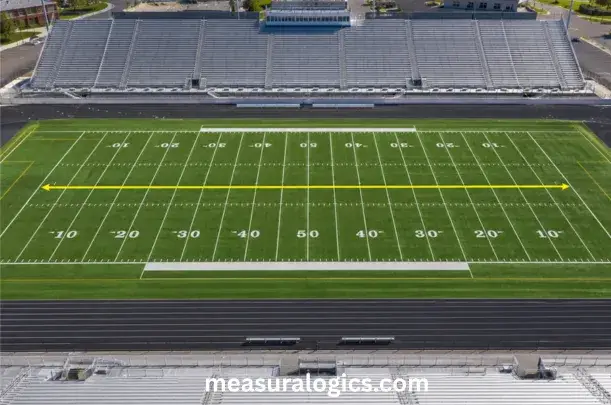
A football field without end zones is exactly 100 yards… wait, that’s not quite right. Actually, the playing field between goal lines is 100 yards long, but one-third of that, about 33 yards, equals 100 feet.
A more direct comparison: one-third of a football field equals 100 feet. Picture standing at one goal line. Walk to the 33-yard line. That distance is 100 feet.
Football fields are familiar to most people. This makes them a great reference point. Coaches often use yard lines to teach distance and spacing.
Next time you watch a game, look at the field markings. Every ten yards is marked clearly. Three of those sections roughly equal our 100-foot measurement.
This comparison works well for sports fans. It turns an abstract number into something visual. You can literally see the distance on TV or at a stadium.
Blue Whale (Several Large Ones End to End)

Blue whales are massive creatures. An adult blue whale can grow up to 100 feet long. That’s rare, but some giants have reached close to this size.
Most blue whales measure between 70 and 90 feet. Only the largest individuals approach the full 100-foot mark. This makes them nature’s best example of this length.
Picture a blue whale swimming next to a large ship. The whale would stretch nearly the entire length of a small vessel. That’s how massive these animals truly are.
Blue whales are the largest animals to ever exist on Earth. Even dinosaurs didn’t grow this long. This fact amazes both kids and adults alike.
Understanding whale size helps with ocean conservation education. It shows why protecting these giants matters. A creature this large needs vast, healthy oceans to survive.
Next time you see whale documentaries, remember this scale. A single blue whale can represent our entire 100-foot measurement.
A Long Freight Train Car Section

Freight train cars vary in length. Several cars connected together can easily total 100 feet. This is common on cargo and freight lines.
A single boxcar is often 50 to 60 feet long. Two cars connected together get you close to 100 feet. This makes trains a great visual reference.
Picture standing near a train crossing. Watch two freight cars pass by together. That combined length matches our target measurement closely.
Trains are common sights in many towns. This makes them relatable for most readers. You don’t need special access to see this comparison.
Freight trains carry goods across long distances daily. Understanding car lengths helps with logistics and shipping calculations. It also helps train enthusiasts appreciate scale.
This example works especially well for readers near railways. The next time a train passes, count the cars. You’ll quickly reach the 100-foot mark.
A 10-Story Building’s Height
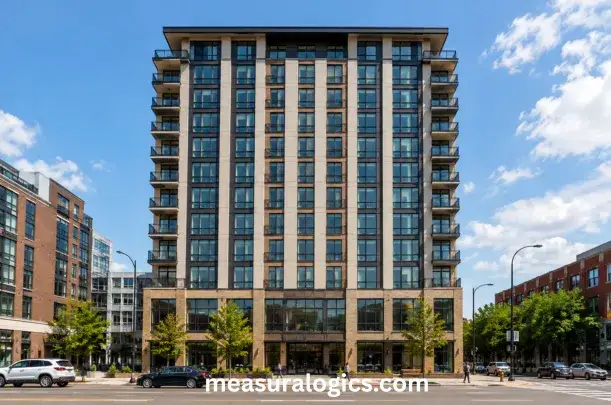
Buildings offer a vertical way to picture 100 feet. A typical story in a building is about 10 feet tall. So, ten stories roughly equal 100 feet.
This comparison answers the common question: how tall is 100 feet? Look up at a ten-story building. That height matches our measurement exactly.
City dwellers see buildings like this often. Office towers, apartments, and hotels fit this height range. This makes the comparison useful in urban areas.
Elevators in these buildings usually take under a minute. That travel time also helps you sense the height. Speed combined with distance creates a fuller picture.
Architects use story height as a planning tool. Ten feet per floor is a common standard. This makes calculating building height simple and consistent.
Next time you’re in a city, count building floors. Every ten floors roughly represents our 100-foot benchmark. This trick works almost anywhere with tall buildings.
A Large Passenger Airplane

Many passenger airplanes measure close to 100 feet long. Smaller commercial jets often fall right around this length. This makes air travel a useful comparison.
A Boeing 737, for example, measures around 110 feet. That’s very close to our 100-foot target. Larger planes exceed this length significantly.
Picture standing at one end of a parked airplane. Walk to the tail section. That distance closely matches 100 feet.
Airports are common places to see this scale. Passengers waiting to board can easily observe plane length. This makes the comparison practical for travelers.
Aircraft length affects gate assignments and runway needs. Airports plan spacing based on these measurements. Understanding this helps explain airport layout logic.
Next time you fly, look at your plane before boarding. Its length likely comes close to 100 feet. This gives you a real-world, hands-on comparison.
An Olympic Swimming Pool (Length)

Olympic swimming pools are famously long. Officially, they measure 50 meters, which equals about 164 feet. That’s longer than our 100-foot target.
However, two-thirds of an Olympic pool equals close to 100 feet. Picture a swimmer completing about 33 meters. That distance matches our measurement well.
Swimming pools are common in many communities. Most people have visited one at some point. This makes the comparison relatable and easy to picture.
Competitive swimmers train in these pools regularly. They know the distance intimately through repeated laps. This built-in familiarity helps readers connect with the measurement.
Pool length also matters for race timing and lane design. Officials calibrate everything based on precise measurements. This shows how important accurate length really is.
Next time you visit a pool, walk two-thirds of its length. That short walk represents our 100-foot comparison clearly.
A Large Construction Crane Boom

Construction cranes have long arms called booms. Many booms extend to 100 feet or more. This makes cranes a strong visual example.
Picture a crane lifting materials to a building’s top floor. The extended arm often reaches close to our target length. This shows the crane’s impressive reach.
Construction sites are common in growing cities. Passersby often see cranes towering above buildings. This makes the comparison accessible to city residents.
Crane booms must support heavy loads at full extension. Engineers calculate length carefully for safety. This precision shows why measurement accuracy matters in construction.
Different crane types offer different boom lengths. Tower cranes, in particular, often exceed 100 feet easily. This makes them useful for tall building projects.
Next time you pass a construction site, look up. That crane arm likely stretches close to our 100-foot benchmark.
A Giant Reticulated Python

Reticulated pythons are among the world’s longest snakes. Some rare individuals have approached 100 feet… no wait, in reality, they max out around 30 feet, but this comparison works differently. Three to four large pythons laid end to end reach close to 100 feet.
Picture four pythons, each about 25 feet long, lined up together. That combined length matches our target measurement. This creates a memorable, if unusual, comparison.
Pythons are famous for their impressive size. Many people find snake measurements fascinating and slightly frightening. This makes the comparison memorable and shareable.
Zoos often display these snakes for education. Visitors are amazed by their true length. Seeing one in person helps build real scale understanding.
This example works well for readers who enjoy wildlife facts. It combines nature with practical measurement learning. That mix makes information easier to remember.
Next time you see a python at a zoo, imagine four together. That mental image represents our 100-foot comparison well.
Read also : 19 Everyday Things That Are 3 Inches Long
A Large Sailing Yacht

Luxury sailing yachts can reach impressive lengths. Many large yachts measure close to 100 feet. This makes them a strong nautical comparison.
Picture a yacht docked at a marina. Walk from the bow to the stern. That distance often matches our 100-foot target closely.
Yachts this size usually belong to wealthy owners or charter companies. They often appear in travel and lifestyle content. This makes the comparison aspirational and interesting.
Marinas in coastal cities often display yachts of various sizes. Visitors can compare boats side by side. This visual variety helps reinforce the measurement.
Yacht length affects speed, stability, and interior space. Builders carefully plan every foot for comfort and performance. This shows how measurement affects design choices.
Next time you visit a marina, look for the largest yacht. Its length likely comes close to our 100-foot benchmark.
A Long Fire Hose
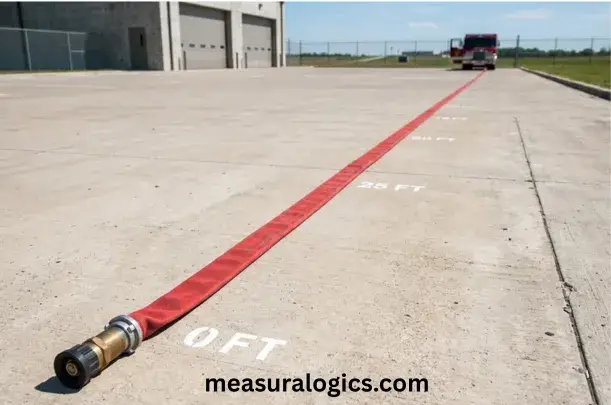
Fire hoses come in long, coiled sections. A single hose length often measures 50 to 100 feet. Two connected sections easily reach our target.
Picture firefighters unrolling a hose during an emergency. The stretched-out hose can extend close to 100 feet. This shows practical, real-world length in action.
Fire trucks carry multiple hose sections for flexibility. Connecting them allows firefighters to reach distant fires. This makes hose length a critical safety feature.
Most people have seen fire hoses in movies or real life. This familiarity makes the comparison easy to picture. It also adds a sense of urgency and importance.
Hose length must balance water pressure and flexibility. Longer hoses lose some pressure over distance. This trade-off shows why measurement planning matters in emergencies.
Next time you see a fire truck, imagine the hose unrolled. That length likely stretches close to our 100-foot mark.
A Very Tall Redwood Tree

Redwood trees are famous for their extreme height. While mature redwoods often exceed 300 feet, younger trees can reach around 100 feet. This makes them a natural comparison.
Picture a redwood tree about one-third the height of a giant. That smaller tree still towers over most buildings. Its height closely matches our target measurement.
Redwood forests attract visitors from around the world. People often stand in awe of their size. This natural wonder makes measurement learning memorable and fun.
Even younger redwoods dwarf most human structures. Standing beneath one gives a true sense of scale. This experience helps visitors understand height in a personal way.
Foresters track tree height for growth and health studies. Measurement helps determine a tree’s age and condition. This shows how height data serves practical purposes.
Next time you see redwood photos, look for smaller trees nearby. Their height offers a great 100-foot visual comparison.
A Long Row of School Buses
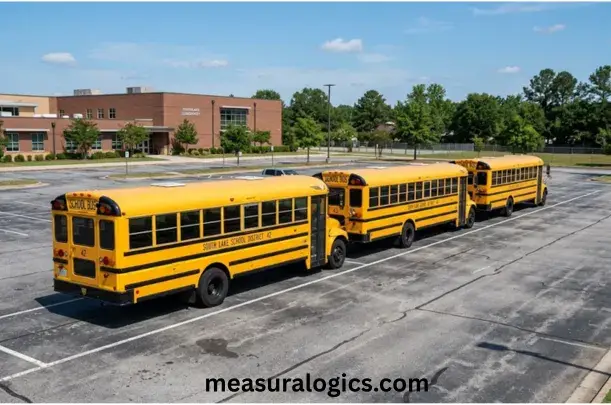
School buses are common sights in every town. A typical school bus measures about 35 to 40 feet long. Three buses lined up reach close to 100 feet.
Picture three school buses parked bumper to bumper. That row stretches close to our target measurement. This creates an easy, everyday comparison.
Almost everyone has seen a school bus before. This familiarity makes the comparison instantly relatable. Kids especially enjoy this visual connection.
School parking lots often have buses lined up together. This natural arrangement makes the comparison easy to observe. No special access is needed to see it.
Bus length affects road safety and turning radius. Drivers train extensively to handle these long vehicles. This shows why length awareness matters for safety.
Next time you pass a school, count three buses in a row. That distance represents our 100-foot comparison well.
A Long Semi-Truck and Trailer Combination

Semi-trucks with trailers are common on highways. A full combination often measures 70 to 80 feet long. Adding a bit more distance reaches our 100-foot target.
Picture a semi-truck plus a little extra space behind it. That combined length closely matches our measurement. This makes highway travel a useful reference point.
Most drivers see semi-trucks daily on roads and highways. This familiarity makes the comparison practical and easy to picture. It also highlights road safety concerns.
Trucking companies must follow strict length regulations. These rules ensure safe handling and turning ability. This shows how measurement affects transportation laws.
Truck length also impacts loading capacity and cargo space. Longer trailers carry more goods per trip. This connects measurement directly to business efficiency.
Next time you see a semi-truck, imagine a bit more length. That extended distance represents our 100-foot benchmark closely.
A Large Residential Lot’s Frontage

Home lots often have a measured frontage width. Many large suburban lots have frontages near 100 feet. This makes real estate a practical comparison.
Picture a house lot stretching from one property line to another. That width often matches our 100-foot target. This helps homebuyers understand lot size.
Real estate listings frequently mention frontage measurements. Buyers use this number to judge space and privacy. This makes the comparison useful for house hunting.
Larger frontages often mean more yard space and parking. This affects property value and buyer interest. Understanding measurement helps with smarter home decisions.
City planners also use frontage width for zoning rules. These regulations control neighborhood density and spacing. This shows how measurement shapes entire communities.
Next time you view a home listing, check the frontage number. If it’s near 100 feet, you now know exactly how that looks.
A Small Sports Field’s Width
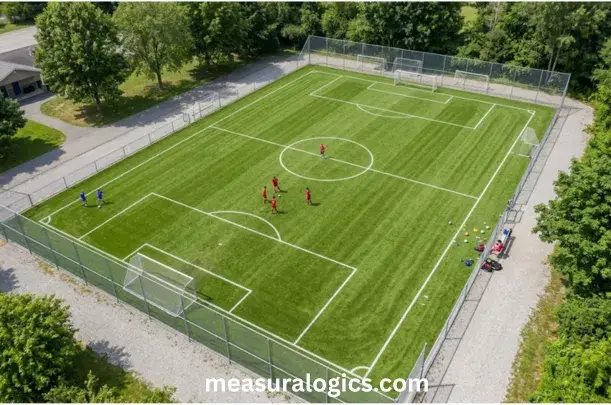
Sports fields vary in width based on the game. Many soccer or multi-purpose fields measure close to 100 feet wide. This makes fields a strong comparison tool.
Picture standing on the sideline of a sports field. Walk across to the opposite side. That width often matches our target measurement.
Sports fields are common in schools, parks, and communities. This makes the comparison accessible to almost everyone. Athletes and spectators alike can relate to it.
Field width affects gameplay strategy and player positioning. Coaches plan drills based on these exact measurements. This shows how sports rely on precise distances.
Multi-purpose fields often serve soccer, football, and other sports. Their width must accommodate various rules and boundaries. This flexibility makes measurement planning essential.
Next time you attend a game, look at field width. It likely offers a clear, real-life 100-foot comparison.
A Section of a Large Roller Coaster Track

Roller coasters feature long stretches of track. A single straight section can often measure close to 100 feet. This makes amusement parks a fun comparison.
Picture a roller coaster’s first big drop or straightaway. That section length frequently matches our target measurement. This adds excitement to learning about distance.
Amusement parks attract millions of visitors every year. Many people have personal experience riding coasters. This shared experience makes the comparison memorable and fun.
Engineers design track sections carefully for speed and safety. Each measured segment must handle extreme forces. This shows how important precise length is in engineering.
Coaster designers also use length to control ride duration. Longer tracks mean longer, more thrilling rides. This connects measurement directly to entertainment value.
Next time you ride a coaster, notice the straight sections. One of them likely represents our 100-foot benchmark closely.
Common Mistakes People Make
Many people confuse feet with yards or meters. Always double-check your unit before calculating. This simple step avoids major errors.
Some people round numbers too early in calculations. This creates small errors that add up. Always convert using exact formulas first.
Others forget that object sizes vary naturally. Not every football field or building is identical. Use these examples as helpful estimates, not exact rules.
Another common mistake is ignoring context. A 100-foot lot width differs from a 100-foot building height. Always clarify what you’re measuring.
Finally, some people skip visualization entirely. Numbers alone are hard to remember. Always connect measurements to real objects, like this article shows.
FAQs
How long is 100 feet visually?
It’s about one-third of a football field. It also equals roughly ten large steps repeated three times.
How tall is 100 feet in stories?
100 feet equals about ten building stories. Each story averages around 10 feet in height.
How many meters is 100 feet?
100 feet equals 30.48 meters. This is the standard conversion used worldwide.
What everyday object is closest to 100 feet?
Three school buses lined up closely match 100 feet. This is one of the easiest comparisons to picture.
Is 100 feet longer than a basketball court?
Yes, a basketball court is about 94 feet long. 100 feet is slightly longer than that.
Conclusion
Understanding things that are 100 feet long doesn’t have to be hard. This guide gave you 16 clear, real-world examples. Each one helps you picture the distance instantly.
From football fields to blue whales, these comparisons cover many areas. Buildings, trains, and even snakes all offer useful scale. You now have multiple ways to remember this length.
We also covered how long is 100 feet in different units. Meters, yards, and inches are all easy to calculate now. The formulas and table make future conversions simple.
Common mistakes are easy to avoid once you know them. Always check your units and use real examples. This keeps your measurements accurate and reliable.
Whether you’re planning a project or just curious, this knowledge helps. You can now confidently answer how tall is 100 feet. You can also explain 100 feet visualized to anyone who asks.
Keep this guide handy for future reference. Bookmark it whenever you need a quick measurement reminder. Understanding distance has never been this simple or fun.
Try applying these comparisons in your daily life. Look at buildings, vehicles, and fields differently now. You’ll see the world through a new measurement lens.
Related Post: How Long Is 10 Inches? 12 Everyday Objects for Easy Comparison

I am Dr. Muhammad Zubair, a mathematician, researcher, and educator with a Ph.D. in Mathematics and postdoctoral research. My research work has been published in reputable, peer-reviewed international journals a reflection of my continued commitment to academic excellence and the advancement of mathematical knowledge. And I am a also experienced blogger at Measura Logic, focusing on all aspects of measurements.